Celebrating Mardi Gras with the Rhythm of Jazz!
The Fusion of Jazz and Mardi Gras
Mardi Gras and jazz are deeply intertwined, both rooted in the rich cultural heritage of New Orleans. The city, known as the birthplace of jazz, has long been a melting pot of musical influences, including African, Caribbean, French, and Spanish rhythms. Over time, jazz became an essential part of Mardi Gras celebrations, blending improvisation, syncopated rhythms, and brass instrumentation with the vibrant traditions of the festival.
The Early Days: Brass Bands & Parades
The fusion of jazz and Mardi Gras began in the late 19th and early 20th centuries, when brass bands became a staple of the city’s second-line parades. Groups like the Onward Brass Band and the Excelsior Brass Band performed a mix of ragtime, blues, and traditional New Orleans rhythms, laying the groundwork for jazz’s influence.
The Rise of Mardi Gras Jazz Traditions
By the early 20th century, jazz musicians like Buddy Bolden, Jelly Roll Morton, and Louis Armstrong helped shape the genre, incorporating the lively, call-and-response energy of Mardi Gras Indians, brass bands, and Creole rhythms into their music. Mardi Gras parades became a platform for these musicians to improvise, experiment, and create new sounds, leading to the evolution of “second-line jazz”, a style that remains central to New Orleans’ musical identity.
Mardi Gras Indians & Jazz Influence
The Mardi Gras Indians, African American groups that formed their unique musical traditions, played a major role in this fusion. Their chant-based rhythms, call-and-response singing, and percussive beats inspired jazz artists to incorporate these elements into their compositions. Tracks like “Indian Red” and “Big Chief” (popularized by Professor Longhair and later Donald Harrison) reflect the strong connection between jazz and Mardi Gras Indian culture.
Modern-Day Jazz & Mardi Gras
Today, jazz is an inseparable part of Mardi Gras. From the legendary Zulu and Rex Parades to intimate club performances, jazz musicians continue to soundtrack the festivities. Artists like Dr. John, Trombone Shorty, Donald Harrison, and the Preservation Hall Jazz Band keep the tradition alive, blending traditional second-line grooves with contemporary jazz.
A Timeless Connection
Jazz and Mardi Gras are more than just traditions—they are living, breathing expressions of freedom, improvisation, and cultural celebration. From the electrifying sounds of booming brass bands to the deep grooves of funk-infused jazz ensembles and the rhythmic chants of Mardi Gras Indians, this fusion has become an essential part of New Orleans’ musical and cultural identity.
At Elusive Disc, we’ve carefully curated a list of legendary jazz musicians alongside underrated artists who played a vital role in infusing jazz into the Mardi Gras tradition. Some of these names may already be part of your collection, but we hope our selections introduce you to new artists, helping you expand and deepen your jazz library.
To truly capture the depth and diversity of jazz, we’ve created 19 sub-genres, featuring a broad range of musicians spanning traditional jazz, swing, big band, bebop, cool jazz, hard bop, and vocal jazz. Whether you’re a lifelong jazz enthusiast or just beginning your journey, our list is designed to celebrate the artists who shaped the sound of Mardi Gras and beyond.
🎷🎭🔥
Traditional Jazz/Dixieland
Traditional Jazz, also called Dixieland or New Orleans jazz, started in the early 1900s in New Orleans. It is known for its upbeat rhythms, syncopation (where beats are played off the regular rhythm), and improvisation, where musicians make up melodies as they play. The group usually has three main instruments at the front: trumpet, clarinet, and trombone. These are supported by a rhythm section, which includes piano, bass, drums, and sometimes banjo or guitar. Traditional jazz is often thought of as the birthplace of jazz music and played a big role in the development of many other types of jazz.
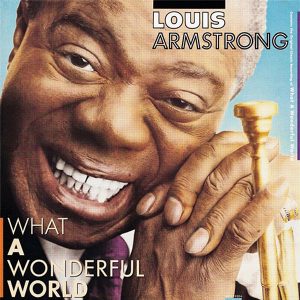
Born on August 4, 1901, in New Orleans, Louisiana, Louis Armstrong is considered one of the most influential figures in jazz history. Known for his virtuoso trumpet playing, gravelly voice, and groundbreaking improvisation, he transformed jazz from a collective group effort into a soloist’s art form. His charismatic stage presence and technical brilliance helped bring jazz into the mainstream, making it accessible to audiences worldwide.
Armstrong grew up in poverty but discovered his musical talent early on. He played in New Orleans brass bands and riverboat ensembles before joining King Oliver’s Creole Jazz Band in Chicago, where his career took off. His ability to reinterpret melodies with improvisational genius set a new standard in jazz, inspiring generations of musicians.
Bringing Jazz into the Heart of Mardi Gras
Armstrong’s New Orleans roots deeply influenced Mardi Gras celebrations, and he played a key role in infusing jazz into the festival’s culture. The brass bands, second-line rhythms, and Mardi Gras Indian chants he grew up with became defining elements of his music. His work helped transform Mardi Gras music into a jazz-driven, improvisational celebration, with his influence still felt in today’s parades.
🎺 Key Contributions to Mardi Gras Music:
- Blending traditional New Orleans brass band sounds with jazz improvisation.
- Popularizing Mardi Gras standards such as:
- “Go to the Mardi Gras” – A must-play during the festival.
- “When the Saints Go Marching In” – A brass band and second-line classic.
- “Basin Street Blues” – A soulful homage to New Orleans jazz.
- “King of the Zulus” – Inspired by his role as King of the Zulu Krewe in the 1949 Mardi Gras parade.
- Introducing Mardi Gras jazz to the world, ensuring its legacy lived beyond New Orleans.
It’s Mardi Gras Time! (1954): The Ultimate Carnival Album
Armstrong solidified his connection to the festival with his 1954 album It’s Mardi Gras Time!, which captures the vibrant, high-energy spirit of Mardi Gras parades. This album combines traditional marching band rhythms with jazz phrasing, making it a perfect soundtrack for the celebration.
🎶 Key Tracks:
- “Mardi Gras March” – A lively, brassy parade tune.
- “Carnival Time” – A joyful, high-energy anthem.
What a Wonderful World (1968): Armstrong’s Universal Message
While not a Mardi Gras album, Armstrong’s 1968 masterpiece, What a Wonderful World, showcases his ability to convey hope, joy, and unity—values at the heart of Mardi Gras celebrations. The title track became one of the most beloved songs of all time, spreading a message of optimism and togetherness that resonates with the spirit of New Orleans.
🎶 Key Tracks:
- “What a Wonderful World” – A timeless ballad of peace and appreciation for life.
- “La Vie En Rose” – A beautiful interpretation of the classic French song.
A Lasting Legacy
Armstrong’s influence on jazz and Mardi Gras remains undeniable. His ability to blend New Orleans’ deep musical traditions with improvisation and global appeal helped define the distinct sound of Mardi Gras music.
Even after his passing on July 6, 1971, his legacy lives on through brass bands, second-line parades, and jazz musicians who continue to celebrate his sound. Armstrong didn’t just play jazz—he made it an essential part of Mardi Gras, ensuring that the festival will always swing to the sound of his trumpet. 🎷🎭

Donald Harrison: The Big Chief of Jazz and Funk
Donald Harrison is a renowned American saxophonist, composer, and bandleader, known for blending modern jazz, traditional New Orleans music, funk, and hip-hop. Born in 1960 in New Orleans, he grew up immersed in the city’s deep musical traditions, which later influenced his signature “Nouveau Swing” style—a fusion of swing, funk, soul, and Afro-New Orleans rhythms.
Musical Legacy & Influence
Harrison has performed with jazz legends like Art Blakey, Miles Davis, Ron Carter, and Eddie Palmieri, showcasing his versatility across hard bop, post-bop, and contemporary jazz. Beyond jazz, he’s also influenced hip-hop, working with artists like The Notorious B.I.G. and Digable Planets.
Indians Blue (1992): A Tribute to Mardi Gras Indian Culture
One of Harrison’s most important albums, Indians Blue (1992), pays tribute to Mardi Gras Indian music, a unique New Orleans tradition rooted in African and Native American culture. As a Big Chief of the Congo Square Nation Afro-New Orleans Cultural Group, Harrison masterfully blends jazz with funky rhythms, Indian chants, and percussive street beats in this album.
Notable Tracks:
🎶 “Indian Red” – A deep, soulful tribute to Mardi Gras Indian culture.
🎶 “Hu-Ta-Nay” – A high-energy mix of brass and rhythmic chanting.
🎶 “Hey Pocky Way” – A funk-infused take on the New Orleans classic.
Style & Contribution
Harrison’s saxophone playing is soulful, intricate, and deeply connected to New Orleans’ rhythmic traditions. His ability to seamlessly mix bebop, funk, and Afro-Caribbean rhythms makes him a standout figure in jazz.
Enduring Impact
Beyond performance, Harrison is a mentor and educator, shaping the next generation of jazz musicians. His work with students and young artists ensures that both New Orleans jazz traditions and innovative fusion styles continue to evolve.
From his Mardi Gras Indian roots to his work in hip-hop and jazz fusion, Donald Harrison remains a true innovator in contemporary jazz, carrying forward the rich musical traditions of New Orleans while pushing them into new sonic landscapes. 🎷🔥
Would you like recommendations on more albums where he blends jazz and New Orleans street rhythms?

Billie Holiday, also known as “Lady Day,” was one of the most important jazz singers of the 20th century. Born on April 7, 1915, in Philadelphia, Pennsylvania. Holiday’s voice was known for being full of emotion and sincerity. Even though she started her career during the Swing era, her style went beyond that. She mixed blues, jazz, and pop music to create a sound that was completely her own.
One of her most famous songs, “All or Nothing At All” (1941), shows her talent as a singer during the Swing era. In this song, you can hear the deep feelings of sadness and joy in her voice. Holiday’s ability to change the melodies and make the music feel so real made her one of the most powerful singers in jazz history.
In her early career, she worked with big band leaders like Count Basie and Artie Shaw. But it was her solo work that made her truly famous. Songs like “Strange Fruit,” “God Bless the Child,” and “Summertime” are still loved today. Her voice and how she sang those songs have inspired many singers and musicians over the years.
Even though she had a difficult life, including struggles with drugs and alcohol, Billie Holiday’s impact on jazz and popular music is huge. She brought new ideas to vocal jazz, and no one has been able to match the way she could express deep feelings through her voice. Holiday’s work in the Swing era helped shape jazz history and influenced many artists who came after her.
The Swing era introduced an exciting new dimension to jazz, propelled by infectious rhythms and large, vibrant bands. As seen in the music and careers of artists like Woody Herman, Frank Sinatra, and Billie Holiday, Swing wasn’t just about the music; it was about creating a mood, a shared experience for audiences across the world. Let’s explore more of Swing’s magic as we move deeper into this era of jazz innovation.
Swing
In the 1930s, jazz started to change, and a new style called Swing became very popular. Swing was known for its catchy rhythm, fast pace, and the use of big bands. While it still had the rhythm of traditional jazz, Swing had more organized music and was made for dancing. This new style became the music people listened to during the Great Depression and World War II, helping to cheer them up. Swing was a big moment in the history of jazz because it made the music easier to enjoy and brought it to a wider audience.
Swing music became popular around the same time as big bands. These bands were larger, with groups of brass instruments, woodwinds, and rhythm instruments. While their songs were often carefully planned, they also allowed room for musicians to improvise. Swing jazz was a major musical style in the United States, but it also spread worldwide. It inspired many musicians and led to the creation of new music styles, like bebop and post-bop. Even today, the impact of the Swing era is still felt, and its most famous artists are considered legends in the jazz world.

Woody Herman was one of the most important people in the Swing era, known for his lively and creative big band performances. He was born on May 16, 1913, in Milwaukee, Wisconsin, and started his music career when he was young. He began by playing the clarinet but soon became a well-known bandleader and composer. He led his orchestra through many changes over the years. His most famous group, called the “Herd,” became a major part of the jazz world in the 1940s and continued to be important after that.
Herman’s big band went through many changes, with each version having its unique style. One of the most important was his “Fourth Herd,” which was formed in 1945. This group of skilled musicians played a big role in the Swing era. They were known for their well-organized music and strong solos. Herman’s band became famous for mixing swing music with a newer sound. This helped make the way for bebop, a new style of jazz that came after swing.
The Fourth Herd was also notable for its remarkable instrumental talent, including some of the best jazz musicians of the time, such as saxophonist Stan Getz and trumpeter Pete Candoli. The band’s recordings from this era, such as The Fourth Herd Numbered, became essential listening for Swing and jazz enthusiasts. Herman’s ability to blend swing with sophistication helped him maintain a lasting legacy, not only as a bandleader but also as an innovator in jazz arrangements.
Woody Herman spent his career pushing the limits of jazz music, becoming known as one of the most important and influential bandleaders during the Swing era. He was skilled at blending jazz with classical music and used brass instruments in exciting ways. His talent for improvisation also helped keep his music popular and respected for many years.

Known as one of the most famous singers in history, Frank Sinatra was a key figure during the Swing era. He combined his smooth voice with the energetic sound of big-band jazz. Born on December 12, 1915, in Hoboken, New Jersey. Early in his career, he worked with big bands led by famous bandleaders like Harry James and Tommy Dorsey. His time with these bands helped him become one of the top singers of the era. He was known for his perfect pitch, careful phrasing, and the emotion he brought to his singing.
Frank Sinatra’s album Sing and Dance With Frank Sinatra (1950) shows how great he was at swing music. The album includes lively, rhythm-based songs that highlight Sinatra’s talent for making the music his own. His smooth way of singing became closely connected with the swing style. His work with famous jazz musicians like Count Basie helped make him a key figure in both vocal jazz and big-band swing music.
Frank Sinatra’s style changed throughout his career, but he always stayed close to swing music, which made him famous. His voice, full of warmth and charm, helped bring swing music to a wider audience. Sinatra’s performances on stage were unforgettable. Over time, he became a symbol of swing music, with his influence reaching beyond jazz and into popular music and American culture.
Known for hits like “Fly Me to the Moon,” “The Way You Look Tonight,” and “My Way,” Sinatra’s contribution to the Swing era continues to resonate. His ability to blend jazz with popular music helped define the golden age of Swing and etched his legacy as one of the greatest vocalists in the history of jazz.
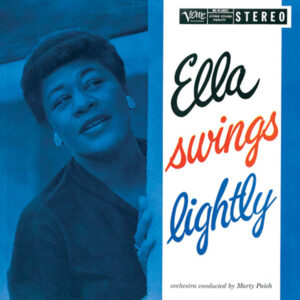
Widely regarded as one of the greatest jazz vocalists of all time, Ella Fitzgerald was born on April 25, 1917, in Newport News, Virginia. Known as the “First Lady of Song”, she captivated audiences with her extraordinary vocal range, perfect pitch, and unmatched ability to improvise. Her journey to stardom began in 1934 at just 17 years old, when she won an amateur singing contest at the Apollo Theater in Harlem. This pivotal moment launched a career that would define jazz for generations.
Her early years with the Chick Webb Orchestra solidified her reputation, and soon she became one of the most recognizable voices in jazz. Fitzgerald’s talent was remarkably versatile, allowing her to master swing, bebop, scat singing, and big band jazz. Her impeccable timing, phrasing, and unique interpretations of classic songs set her apart from other vocalists of her time. Throughout her career, she collaborated with jazz legends such as Duke Ellington, Louis Armstrong, and Count Basie, producing some of the most influential jazz recordings of the 20th century.
Swing Lightly: A Masterclass in Swing
Among her many celebrated albums, Swing Lightly (1958) stands out as a prime example of Ella Fitzgerald’s effortless swing style. Backed by Marty Paich’s orchestra, this album showcases her light, playful phrasing and smooth vocal control, making it a must-listen for jazz enthusiasts. Songs like “Little White Lies”, “I’m Beginning to See the Light”, and “You Hit the Spot” highlight her ability to blend technical brilliance with a warm, inviting sound, reaffirming her status as a jazz icon.
A Lasting Legacy
One of her most iconic collaborations, Ella and Louis (1956) with Louis Armstrong, remains a cornerstone of jazz history, celebrated for its timeless charm and vocal chemistry. With classics like “Summertime,” “Misty,” and “A-Tisket, A-Tasket,” Fitzgerald became a household name, earning 14 Grammy Awards and countless accolades throughout her career.
Even after her passing on June 15, 1996, Ella Fitzgerald’s voice continues to inspire jazz musicians and vocalists worldwide. Her legacy lives on through her recordings, proving that her influence on jazz and swing is truly timeless.
Big Band
The Big Band era of jazz took the swing style to new levels with large groups of musicians. These groups had brass, woodwind, and rhythm instruments that filled the stage. This period, which lasted from the 1930s to the 1940s, created a sound that was loud, exciting, and full of energy. The Big Band sound became the most popular type of jazz and was the perfect music for swing dancing and social events. It was known for well-planned songs with complex melodies and harmonies but still left room for musicians to improvise and add their touches. Big Band jazz was led by some of the most famous figures in jazz history. These bands played a key role in making jazz famous all over the world.
At the heart of Big Band jazz was the ability to create powerful, cohesive, and sweeping melodies while giving individual musicians the freedom to improvise within the arrangement. The era produced some of the most iconic jazz records and performances, and its influence can still be heard in modern jazz. Let’s take a closer look at the Big Band genre and the legends who defined it.

Count Basie, born William James Basie on August 21, 1904, in Red Bank, New Jersey, was one of the most significant figures in jazz history. Known for his impeccable piano playing and his ability to lead a band with unmatched precision, Basie was the architect of the Count Basie Orchestra, which became a pioneering force in the Big Band era. Basie’s signature sound was based on a strong, rhythmic foundation, with an emphasis on simplicity, swing, and the “free-flowing” energy of the music. His arrangements were marked by their economy, often using minimalistic lines to create a big, bold sound.
Basie’s ability to create space in his arrangements gave his musicians room to shine, leading to explosive improvisations that were both exciting and emotional. His track Farmers Market Barbecue (recorded in 1958) exemplifies the rhythm-driven swing that became synonymous with his band. The performance highlights Basie’s talent for blending tight, swinging arrangements with moments of brilliant solo improvisation. His orchestra included some of the finest musicians of the time, such as saxophonist Lester Young and trumpeter Harry “Sweets” Edison, who became mainstays of the Basie sound.
Basie’s work with his big band helped define the sound of swing and later influenced the development of bebop. His emphasis on rhythm and smooth ensemble playing made his orchestra one of the most important groups in the history of jazz. Basie’s leadership and influence on jazz were recognized with multiple Grammy Awards, and his legacy as a bandleader and innovator remains unmatched. His music continues to inspire jazz musicians and listeners alike, ensuring that Count Basie’s place in jazz history is secure.

Gil Evans, born on May 13, 1912, in Toronto, Canada, was a composer, arranger, and bandleader who played a crucial role in the development of jazz orchestration. He is best known for his collaborations with trumpeter Miles Davis, but his work as a bandleader, particularly with the Gil Evans Orchestra, was groundbreaking in its own right. His approach to big band arrangements was unique, as he often blended jazz with classical music elements, creating lush, complex sounds that set him apart from his contemporaries.
Evans’s album Great Jazz Standards (1963) features his orchestral take on some of the most famous jazz standards. His arrangements were marked by their intricacy and creativity, using extended harmonies and unusual instrumental colors to create a sound that was both sophisticated and innovative. In tracks like “Summertime” and “Concierto de Aranjuez,” Evans incorporated rich orchestral textures, layering brass, woodwinds, and strings to create a multi-dimensional listening experience. His ability to orchestrate for large ensembles was unparalleled, and his work with the Gil Evans Orchestra became a model for future jazz arrangers and composers.
Evans’s music often pushed the boundaries of what big band jazz could achieve, bringing together classical influences with the improvisational spirit of jazz. His partnerships with musicians like Davis and saxophonist John Coltrane helped push jazz into new, avant-garde directions. His deep understanding of orchestration and his ability to weave together complex musical ideas made him a central figure in the evolution of jazz.
Throughout his career, Evans was a key figure in the transition from the traditional big band sound to the more experimental styles of modal jazz and fusion. His significant contributions to jazz orchestration made an indelible mark on the genre, and his work continues to inspire musicians of today.
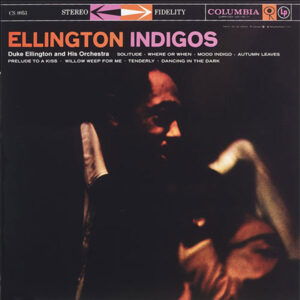
Duke Ellington, born on April 29, 1899, in Washington, D.C., is often referred to as one of the greatest composers and bandleaders in the history of jazz. His career spanned over five decades, and his influence on the genre cannot be overstated. As a composer, pianist, and bandleader, Ellington’s works combined elements of jazz, blues, and classical music, creating a rich, distinctive sound that was both innovative and sophisticated.
One of Ellington’s most important albums is Duke Ellington Indigos (1958), which showcases his ability to craft deeply emotive and complex arrangements. The album features pieces like “Mood Indigo” and “In a Sentimental Mood,” both of which have become jazz standards. Ellington’s mastery of orchestration is evident in these tracks, where his big band creates lush, velvety textures that resonate with a sense of longing and melancholy.
Ellington’s contributions to the Big Band genre were groundbreaking. He redefined what a big band could do, pushing the limits of jazz composition. His works were deeply nuanced, often using the orchestra as a way to express mood and emotion rather than just a platform for rhythm and melody. His band, which included legendary players like Johnny Hodges, Cootie Williams, and Charles Mingus, became known for its distinctive sound and sophisticated arrangements.
Beyond his influence on jazz, Ellington was a trailblazer for African American musicians in the early 20th century, demonstrating that jazz was a legitimate art form capable of complex and intellectual expression. His work remains a touchstone for jazz musicians and continues to inspire generations of artists.
Big Band jazz defined an era, and artists like Count Basie, Gil Evans, and Duke Ellington were instrumental in shaping its sound. These musicians elevated jazz from its New Orleans roots to a global phenomenon, blending precise arrangements with moments of improvisational brilliance. Their contributions continue to resonate in jazz and beyond, reminding us of the transformative power of music.
Bebop
As the Big Band era started to end in the late 1940s, a new type of jazz began to form, changing jazz forever. This new style was called bebop. Bebop was different because it had very fast tempos, complex chord changes, and a lot of improvisation. Unlike swing and big band music, which focus on playing together as a group and making people want to dance, bebop focuses more on individual skills. Musicians in Bebop pushed themselves to explore their instruments and be more creative with their solos. Bebop was not just a new style of music—it was a major change in jazz, turning it into more of an art form.
Bebop musicians often played in smaller groups, called combos, which gave them more freedom to improvise and try new things. The quick solos, strange harmonies, and complicated rhythms that made Bebop different from other types of jazz helped it stand out. It was during this time that some of the most creative and important musicians in jazz history became famous. Bebop still influences jazz today and continues to inspire musicians in all types of music.
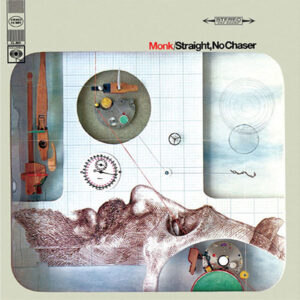
Thelonious Monk was one of the founding figures of bebop and one of the most unconventional and original jazz pianists of all time. Born on October 10, 1917, in Rocky Mount, North Carolina, Monk’s approach to jazz was marked by dissonance, angular melodies, and unconventional chord progressions that broke with the traditional harmonies of earlier jazz. His compositions, which include timeless pieces like “Round Midnight,” “Blue Monk,” and “Straight No Chaser,” became staples of the bebop genre, but his playing style was equally groundbreaking.
Monk didn’t just create great music himself; he also had a huge influence on other musicians. He taught and mentored many famous jazz artists, including saxophonist John Coltrane. His ability to experiment with new sounds and rhythms changed jazz, pushing it into new, uncharted areas. Monk’s one-of-a-kind sound and vision of jazz still inspire musicians today, making him one of the main pioneers of bebop.

Bud Powell, often considered one of the most important pianists in bebop, was a driving force behind the development of this genre. Born on September 27, 1924, in Harlem, New York, Powell was influenced by the pioneering works of Thelonious Monk and Art Tatum, but he developed a style all his own, marked by lightning-fast runs and virtuosic improvisations. Powell’s piano playing was known for its smooth, flowing style, which was different from Monk’s more sharp and uneven lines, providing a more melodic take on bebop.
One of Powell’s most important contributions to the bebop movement was his album The Amazing Bud Powell Volume 1 (1951). This recording showcases Powell’s extraordinary ability to navigate complex harmonic structures and perform intricate melodies at breakneck speeds. His playing on this album exemplifies the essence of bebop—fast tempos, quick chord changes, and a constant sense of improvisational freedom. Tracks like “Un Poco Loco” and “Dance of the Infidels” demonstrate Powell’s remarkable facility with the piano and his ability to stretch traditional jazz forms into something entirely new.
Powell’s influence on other jazz pianists is profound. His innovative approach to bebop piano playing paved the way for future generations of pianists, including figures like Bill Evans and McCoy Tyner. Powell’s technical mastery and musical vision cemented his place in jazz history, making him one of the essential figures in the Bebop Revolution.

Charlie Parker, also known as “Bird,” is one of the most influential and revolutionary figures in the history of jazz. Born on August 29, 1920, in Kansas City, Kansas, Parker was a prodigy who started playing the saxophone at a young age and quickly developed a unique voice on the instrument. His mastery of improvisation and his ability to navigate complex chord changes helped define the bebop movement. Parker’s compositions and improvisations pushed the boundaries of jazz harmony and rhythm, making him a central figure in Bebop’s rise to prominence.
Beyond his technical prowess, Parker’s influence on other musicians was enormous. He was a major influence on the development of modern jazz and inspired countless saxophonists, including John Coltrane and Sonny Rollins. Parker’s ability to reimagine the possibilities of jazz improvisation, combined with his innovative compositions, solidified his place as one of the most important figures in jazz history.
The bebop movement, led by artists like Thelonious Monk, Bud Powell, and Charlie Parker, redefined jazz by challenging its conventions and pushing the boundaries of musical expression. The rapid tempos, complex harmonies, and innovative improvisations that characterize bebop laid the groundwork for many of the jazz styles that followed, and its influence is still felt today. As bebop opened up new possibilities for jazz, it marked the beginning of an era of creative exploration that would continue to shape the future of the genre.
Cool Jazz
In the late 1940s and early 1950s, a calmer and smoother style of jazz began to appear after the energetic and complicated bebop. This new music was called cool jazz. It was known for its laid-back sound, gentle rhythms, and softer-sounding instruments. Cool jazz often had more detailed arrangements, and the players cared a lot about the beauty of their tones rather than just playing fast or doing difficult parts. It grew out of a desire to react against bebop’s quick, flashy playing and aimed to create a softer, more melodic, and controlled feeling. Unlike bebop’s intense improvisations, cool jazz often had quieter, more thoughtful performances and sometimes used orchestral instruments or smaller groups.
Cool jazz was a key part of jazz history because it connected the fast, chaotic bebop style with the more organized jazz styles that came after. It opened the door to later forms like modal jazz and jazz fusion. Famous musicians such as Miles Davis, Dave Brubeck, and Chet Baker led this cool jazz movement, and their work influenced how the music sounded and developed in the years that followed.
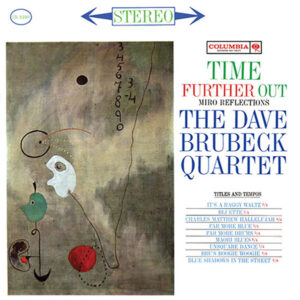
Dave Brubeck, born on December 6, 1920, in Concord, California, was a key figure in the rise of cool jazz. He became well-known for his creative way of using different time signatures in music and for mixing classical music ideas with jazz. These experiments helped make him a leader in the cool jazz movement. His group called a quartet, had a stylish and daring sound, and they became one of the most popular jazz bands of the 1950s and 1960s.
Brubeck’s innovation was not just in his compositions but also in his bandleader role. His quartet included some of the most notable jazz musicians of the time, including saxophonist Paul Desmond, whose smooth, lyrical playing became a signature sound of the group. Time Further Out and other Brubeck recordings remain essential in understanding the evolution of jazz, with Brubeck’s ability to meld intellectual complexity with accessible melodies leaving an indelible mark on jazz history.
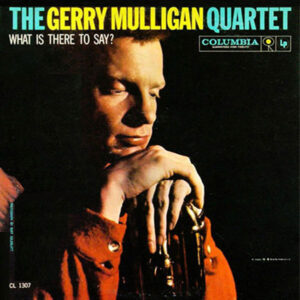
Gerry Mulligan was born in New York City on April 6, 1927. He was a famous baritone saxophonist and a leader in the cool jazz movement. Mulligan’s playing was smooth and lyrical, creating a mellow, relaxed sound that suited cool jazz perfectly. His quartet often played without a piano, which gave the music a more open feeling and allowed the musicians to improvise with each other more freely.
Mulligan’s way of playing cool jazz was groundbreaking. His rich, melodic style on the baritone saxophone helped his quartet find success. Later, saxophonists learned from him, and his work strengthened the cool jazz movement, making it a key part of jazz history.

Chet Baker, born December 23, 1929, in Yale, Oklahoma, was one of the most distinctive trumpet players in the cool jazz movement. His soft, lyrical tone and smooth, understated playing style made him an icon of the genre. Baker’s ability to play with emotional depth while maintaining a relaxed, effortless sound was what set him apart from his peers. Alongside saxophonist Art Pepper, Baker helped define the West Coast cool jazz scene, with the two musicians collaborating on several influential recordings.
The album Pepper: Picture of Heath (1961), which features both Baker and Pepper, is a perfect example of their combined artistry. The album’s title track is a smooth, reflective composition that showcases Baker’s trademark trumpet style and Pepper’s emotionally rich alto saxophone playing. The interplay between Baker’s trumpet and Pepper’s saxophone creates a beautiful, intimate atmosphere, a hallmark of the cool jazz movement.
Baker’s ability to convey deep emotion through his trumpet playing made him a beloved figure in the cool jazz scene, while Art Pepper’s complex, expressive solos added a layer of depth to the music. Pepper: Picture of Heath is a quintessential cool jazz album, capturing the essence of the genre with its subtlety, smooth phrasing, and emotional resonance. The album remains a classic, reflecting the unique sound that Baker and Pepper, along with other cool jazz pioneers, helped cultivate.
Cool jazz represented a departure from the high-energy, fast-paced style of bebop, offering a smoother, more introspective sound. Musicians like Dave Brubeck, Gerry Mulligan, and Chet Baker helped define the genre, and their work continues to inspire jazz artists today. As cool jazz embraced complexity and beauty over speed and intensity, it marked an important moment in the evolution of jazz, creating a legacy that endures to this day.
Hard Bop
Hard bop started in the mid-1950s as a response to the gentler, more subdued sounds of cool jazz, which had gained popularity at the time. While cool jazz highlighted a relaxed atmosphere and polished orchestration, hard bop reintroduced a more direct, emotionally charged style that grabbed listeners’ attention. Rooted in bebop, hard bop blended jazz with influences from blues, gospel, and rhythm and blues, creating a rawer, more soulful feel that resonated with many audiences. It was fast-paced and energetic yet also deeply expressive, featuring a strong focus on improvisation and powerful, driving rhythms that propelled the music forward. With this approach, hard bop placed greater importance on melody and emotional impact, using the rhythm section to ground the tunes in a way that was less abstract than bebop while remaining highly complex.
Hard bop became an important link between the bebop era and later forms of jazz, influencing the rise of modal jazz and jazz fusion. This style showcased musicians who would soon become legends, and it remains a key pillar of jazz history to this day.
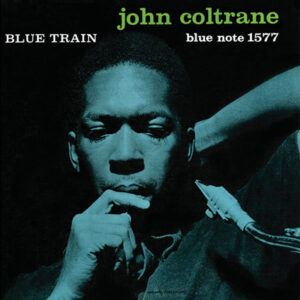
John Coltrane, born on September 23, 1926, in Hamlet, North Carolina, is considered one of the most iconic and influential saxophonists in the history of jazz. His career was marked by constant exploration and growth, and his work during the hardbop years stands out as a major milestone in his artistic journey. One of his most notable albums from that period is Blue Train (1957), which still shines as a defining example of hardbop. The tracks on this album combine complex harmonies with a strong emotional edge, capturing the true spirit of the style.
Along with leading his groups, Coltrane also worked with Miles Davis and later ventured into modal jazz and avant-garde jazz, which further shaped his enduring reputation. Blue Train remains an essential recording, showing how Coltrane could push musical boundaries while keeping a sense of tradition and emotion that reached listeners on a deep level.

Art Blakey, born on October 11, 1919, in Pittsburgh, Pennsylvania, was one of the most significant drummers in jazz history and played a central role in shaping hard bop. His band, The Jazz Messengers, became known as a launching pad for many of the greatest talents in jazz, featuring artists such as Lee Morgan, Wayne Shorter, and Freddie Hubbard. The group was famous for its lively shows, solid rhythms, and a style that stressed group improvisation.
The hard bop style put the spotlight on deep feeling and drew from blues, gospel, and soul music. Through The Jazz Messengers, Blakey helped define this new wave in jazz. His knack for pairing intricate rhythms with memorable tunes made him one of the most admired drummers in the art form. His influence can still be heard today, and his legacy as both a leader and an innovator remains firmly in place.

Hank Mobley, born on July 7, 1930, in Eastman, Georgia, was a talented tenor saxophonist whose work became vital to the growth of the hard bop movement. Known for his silky, tuneful playing and his way of mixing detailed improvisation with heartfelt expression, Mobley was at the center of jazz in the 1950s and 1960s. His album Workout (1961) is often seen as one of his strongest efforts, showcasing his skill as both a soloist and a band member.
Workout shows the essence of hard bop through its blues-based rhythms, complex grooves, and catchy melodies. The title track, “Workout,” stands out for its lively pace and displays Mobley’s signature tenor sound, which is both smooth and intense. His solos on this album illustrate his knack for shaping melodies and ideas in a way that is both thought-provoking and emotionally moving.
Mobley had a major impact on the hard bop style, and his work continues to influence saxophonists who came after him. His method of blending bebop’s complexity with the raw feeling of blues helped make him a leading figure in the genre. Workout remains a prime example of how hard bop fused soulful elements with jazz without losing its high level of technical mastery.
Hard bop brought jazz back to its roots by mixing in the deep feeling of blues and gospel, yet it stayed true to the rapid-fire improvisation of bebop. Artists like John Coltrane, Art Blakey, and Hank Mobley helped shape Hard bop’s thrilling sound, turning it into one of the most dynamic and significant eras in jazz history. The style’s seamless blend of technical skill and genuine emotion ensured that its impact would continue to be felt for years to come.
Modal Jazz
Modal jazz, which emerged in the late 1950s and early 1960s, marked a major change in how jazz musicians handled harmony and improvisation. Instead of depending on the complex chord changes found in traditional jazz, modal jazz focused on scales (or modes) as the main tool for improvisation. This approach lets players step away from the quick chord progressions of earlier jazz styles, giving them more room to explore different melodies and harmonies. Modal jazz put more attention on mood, space, and texture than on tricky chord progressions, which gave it a more open and thoughtful sound.
This style gained a lot of attention when albums like Miles Davis’s Kind of Blue were released, and that record is now viewed as one of jazz’s most important works. Many well-known jazz musicians, such as John Coltrane, Wayne Shorter, and Bill Evans, began to use modal techniques in their music. This new way of playing changed the path of jazz and shaped later styles, such as jazz fusion and avant-garde jazz.

Wayne Shorter, born on August 25, 1933, in Newark, New Jersey, is one of the most important saxophonists and composers in modern jazz. He played a huge part in developing modal jazz, making it grow and evolve through his work with Miles Davis, Art Blakey’s Jazz Messengers, and his solo albums. Shorter’s writing and improvising pushed jazz beyond its old limits, uncovering fresh harmonic ideas while keeping a strong sense of melody.
Shorter’s impact on jazz, especially through his work with Miles Davis and in his groups, defined the character of modal jazz. Other musicians often record his pieces, which remain key parts of the jazz songbook. Known for blending precise skill with emotional strength, Shorter sealed his place as a major figure in modal jazz.
Miles Davis: The Architect of Modal Jazz
Miles Davis was a revolutionary jazz trumpeter, bandleader, and composer who played a pivotal role in shaping modern jazz. Among his many contributions, his development of modal jazz stands as one of his most groundbreaking achievements. Unlike traditional jazz, which relied heavily on chord progressions, modal jazz focused on scales (modes), allowing musicians greater freedom for melodic and harmonic exploration.
Davis introduced modal concepts in his 1958 album Milestones but fully realized them in the legendary 1959 album Kind of Blue. This album, featuring John Coltrane, Cannonball Adderley, and Bill Evans, changed jazz forever, offering a more open, flowing, and introspective sound that moved away from complex chord changes. The simplicity of modal jazz gave musicians space to improvise with greater emotion and spontaneity, influencing generations of artists across jazz, rock, and fusion.
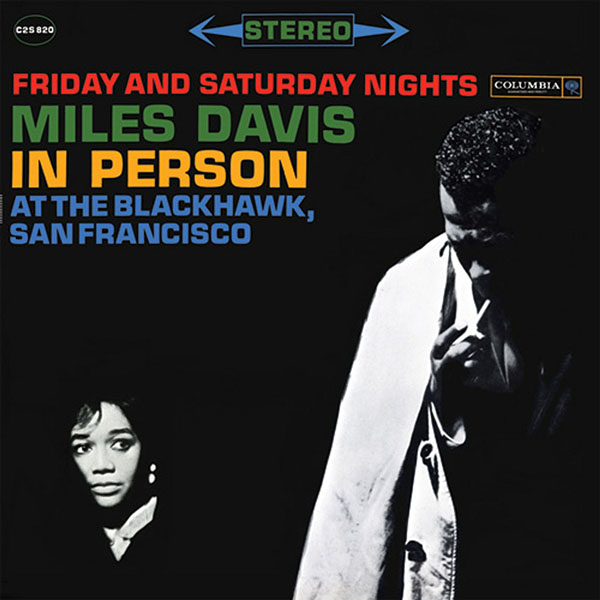
Miles Davis in Person: Friday and Saturday Night at the Blackhawk (1961)
A defining live recording, Miles Davis in Person: Friday and Saturday Night at the Blackhawk captures Davis at his rawest and most intense, leading his first great quintet after the departure of John Coltrane. Recorded at the Blackhawk nightclub in San Francisco, this double album features Hank Mobley on tenor sax, Wynton Kelly on piano, Paul Chambers on bass, and Jimmy Cobb on drums.
Why This Album Matters
- Unlike studio recordings, these performances showcase Davis in a live setting, pushing the boundaries of modal jazz with energy and spontaneity.
- Tracks like “So What” and “Walkin” highlight his ability to blend modal concepts with the hard bop energy of his band.
- Mobley’s smooth yet fiery sax playing, combined with Davis’s restrained but powerful trumpet tone, creates a compelling balance of cool and intensity.
A Lasting Legacy
Miles Davis’s innovations in modal jazz reshaped the way musicians approached improvisation, influencing not just jazz but also rock, classical, and fusion. His live performances at the Blackhawk remain a testament to his brilliance as a bandleader, capturing a moment where jazz was evolving into a new, freer form.
Davis didn’t just play jazz—he transformed it, proving that simplicity and space could be just as powerful as complexity. His impact on modal jazz remains one of the most important shifts in music history. 🎺

Bill Evans, born on August 16, 1929, in Plainfield, New Jersey, was a jazz pianist recognized for his inward-looking, deeply poetic playing style. He was a central figure in the rise of modal jazz, especially through his partnership with Miles Davis on the classic album Kind of Blue. Evans was known for his skill in creating warm, layered harmonies while still keeping the focus on melody and mood, which helped define the sound of modal jazz.
His album Waltz for Debby (1961) provides a perfect example of how he shaped modal jazz. This record features a trio, with Evans on piano, Scott LaFaro on bass, and Paul Motian on drums. The title song, “Waltz for Debby,” captures Evans’s talent for building a calm, thoughtful world using modal harmony. The group’s teamwork is subtle yet powerful, allowing Evans’s piano to shine as he explores the possibilities that modes offer.
Evans’s role in shaping modal jazz is huge. He reimagined basic jazz harmony while keeping his focus on mood and tone rather than just chords, setting himself apart from other pianists of his time. His work brought him lasting respect and helped lay the groundwork for new directions in jazz.
Modal jazz changed jazz history by moving away from typical chord progressions and giving players more freedom in their solos. Artists like Wayne Shorter, Eric Dolphy, and Bill Evans played key parts in forming this style, using modal harmony to produce a sound that was deep, exploratory, and filled with musical variety. Their work in modal jazz continues to echo in today’s jazz scene, and the impact of their ideas remains strong and meaningful.
Latin Jazz
Latin Jazz is a style of music that mixes the rhythms and musical traditions of Latin America with the improvisational and harmonic elements of jazz. First appearing in the early 1940s, Latin Jazz brings together the lively beats of Afro-Cuban music, Brazilian rhythms, and other Latin American styles with the complex harmonies and improvisation found in jazz. This genre became well-known in the United States, especially in New York, where musicians from Latin America and jazz artists began to try out new sounds that merged their different backgrounds. Latin Jazz soon became important in both jazz and Latin music, and it helped shape the future of these forms by influencing jazz fusion and other styles.
The sound of Latin Jazz is recognized by its colorful percussion, often featuring instruments like congas, bongos, timbales, and claves. The rhythms, particularly the Afro-Cuban clave, form a key part of the music, giving it a strong, energetic beat. Latin Jazz is also famous for its improvisational solos, which join jazz techniques with Latin rhythms and tunes. Over time, Latin Jazz has continued to grow, with musicians adding elements from salsa, samba, and other Latin styles. This process has driven the genre in new and thrilling directions.
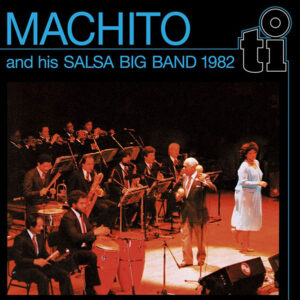
Machito, born March 3, 1908, in Havana, Cuba, stands out as one of the major figures in the rise of Latin Jazz. As a bandleader, singer, and composer, he played a huge part in mixing Afro-Cuban rhythms with jazz improvisation, which helped shape the defining sound of Latin Jazz. His band, Machito and His Afro-Cubans, became one of the most important Latin Jazz groups in the 1940s and 1950s. By cleverly pairing jazz arrangements with traditional Cuban rhythms, Machito created a powerful, electrifying style that captured the spirit of Latin Jazz.
One of Machito’s best-known albums, Machito and His Salsa Big Band 198,2 shows his skill in rhythm and arrangement. The album highlights driving percussion, catchy melodies, and tight brass and woodwind sections. Machito had a major influence on the genre, as he brought Afro-Cuban jazz to a bigger audience and helped it gain wider popularity. The album’s energy and bright rhythms show Machito’s lasting role as a trailblazer in Latin Jazz.
Machito worked with famous jazz performers like Charlie Parker, Dizzy Gillespie, and Stan Kenton, and these collaborations helped connect Latin music with jazz. His efforts laid the groundwork for the merging of jazz and Latin music that continued to develop throughout the 20th century. Today, Machito’s mark on Latin Jazz is clear, and his innovations remain a vital part of its history.

Tito Puente, born April 20, 1923, in New York City, is often called the “King of Latin Music.” He was a skilled percussionist, composer, and bandleader who played an essential role in bringing Latin rhythms to the forefront of American jazz and popular music. Puente was celebrated for his thrilling live shows and for mastering the timbales, which gave his music an exciting, high-energy feel. By blending Afro-Cuban beats, jazz, and mambo, Puente helped take Latin Jazz to new heights of popularity.
One of his standout albums, Tito Puente: El Rey Bravo, reveals his talent and ability to combine Latin rhythms with jazz improvisation. This record is filled with lively pieces that feature complex rhythms, strong brass lines, and spirited percussion, reflecting Puente’s active and engaging style as a leader. Songs like “Oye Como Va” and “Ran Kan Kan” became classics in both the Latin and jazz worlds, covered by many musicians across different styles.
Puente also worked alongside jazz artists such as John Coltrane and Eddie Palmieri, breaking barriers and expanding Latin Jazz’s impact in the jazz community. His dynamic approach to rhythm, along with his knack for improvisation within Latin music structures, made him a favorite among both jazz and Latin music fans. Even today, Tito Puente’s legacy lives on in Latin Jazz, and his influence continues to spark creativity in musicians everywhere.
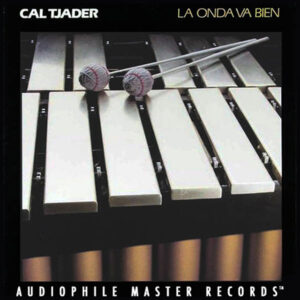
Cal Tjader, born July 16, 1925, in St. Louis, Missouri, was an American vibraphonist and bandleader who made a strong mark on Latin Jazz. Tjader’s special blend of Latin rhythms and jazz improvisation placed him among the most important figures in the genre. He was one of the first jazz performers to embrace the Latin Jazz movement, helping to bridge the gap between traditional jazz and Latin music. His recordings in this field broke new ground by introducing Afro-Cuban music to mainstream jazz listeners.
By teaming up with musicians like Mongo Santamaría and Willie Bobo, Tjader helped guide the direction of Latin Jazz and earned a place among its top pioneers. His creative mixture of jazz and Latin music made him a central figure in the development of the genre, and today’s Latin Jazz still carries his influence.
Latin Jazz brings together the driving, rhythmic spirit of Latin American music and the improvisational core of jazz, creating a bright and powerful sound that appeals to listeners across the globe. Artists such as Machito, Tito Puente, and Cal Tjader played key parts in building and spreading this style. Their work continues to shape musicians in many genres, ensuring that the blend of jazz and Latin rhythms remains a strong and ever-changing force in the music world.
Afro Jazz
Afro Jazz is a style of music that combines the rhythms and cultural elements of African music with the improvisational and harmonic structures of jazz. It began in the mid-20th century and comes from the traditional sounds of African tribes, weaving complex rhythms, polyrhythms, and percussive patterns into the core of jazz. This genre is both a tribute to African heritage and a way to explore how African music can unite with the harmonic freedom found in jazz. Afro Jazz became especially popular in the 1960s when jazz musicians began using African rhythms and instruments in their compositions, producing a fresh style that was highly rhythmic, energetic, and spiritually moving.
Afro Jazz places a strong emphasis on rhythm, with its performers often using traditional African percussion instruments like djembe, congas, and talking drums next to jazz instruments such as trumpet, saxophone, and piano. The genre has kept growing over time, shaping the rise of other jazz subgenres like jazz fusion and experimental jazz. Through its mix of rhythm, improvisation, and cultural storytelling, Afro Jazz has left a powerful mark on global music, connecting cultures and broadening jazz’s potential.
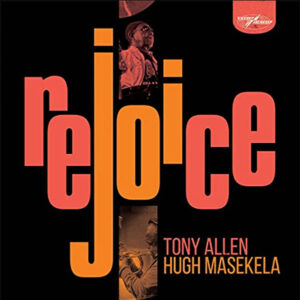
Tony Allen, who was born on August 12, 1948, in Lagos, Nigeria, was a famous Nigerian drummer seen as a key pioneer of Afrobeat, a style that joins African rhythms with jazz, funk, and highlife music. Allen’s ground-breaking drumming, which mixed detailed African rhythms with jazz improvisation, strongly shaped Afro Jazz. During his career, he worked with many well-known artists, including the legendary Fela Kuti, with whom he co-created Afrobeat.
In Rejoice (2009), a project he worked on with South African trumpeter Hugh Masekela, Allen, and Masekela highlights Afro Jazz by joining their African roots with jazz and global music elements. The album shows the mix of rhythm and melody that is central to Afro Jazz, powered by Allen’s energetic drumming and Masekela’s expressive trumpet. Songs like “African Party” and “Never Gonna Give Up” underline the genre’s strong rhythmic base and focus on improvisation, reflecting both the energy and deep cultural essence of African music.
Tony Allen’s work has greatly affected Afro Jazz and the larger world of music. His talent for blending intricate African rhythms with jazz improvisation made him a central figure in the genre, and his partnerships with artists like Hugh Masekela helped introduce Afro Jazz to more listeners.

Mulatu Astatke, born on December 19, 1943, in Addis Ababa, Ethiopia, is often called the father of Ethio-jazz, a subgenre that mixes traditional Ethiopian music with jazz. Astatke’s distinctive style, which merges African pentatonic scales with jazz harmonies, formed a special combination of rhythm and melody that became a key feature of Afro Jazz. His work uses Ethiopian rhythms, scales, and instruments together with jazz’s improvisational and harmonic methods, creating a sound that is both atmospheric and rhythmically intricate.
Astatke’s efforts in Afro Jazz continue to motivate jazz players, especially those eager to dive into the links between African music and jazz. His role in shaping the genre lifted Afro Jazz to new levels, and his standing as an Ethio-jazz trailblazer remains secure.
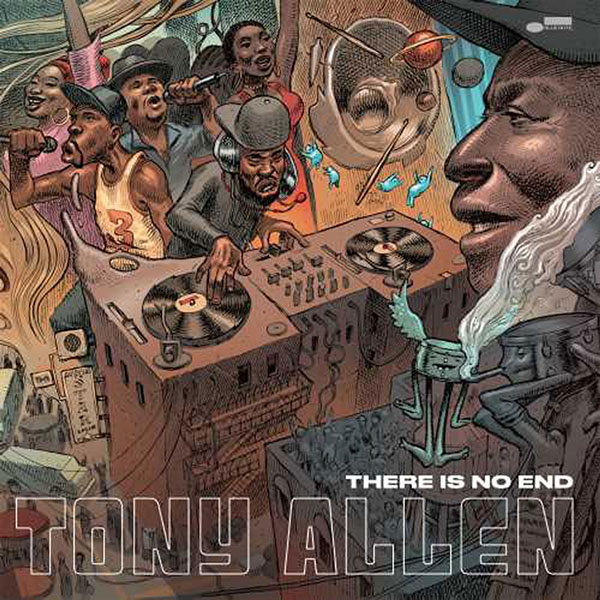
Tony Allen (1940–2020) was a Nigerian drummer, composer, and musical visionary, best known as the co-founder of Afrobeat alongside Fela Kuti. His signature polyrhythmic drumming blended West African highlife, jazz, funk, and traditional Yoruba rhythms, making him one of the most influential drummers in modern music. Brian Eno famously called him “perhaps the greatest drummer who ever lived.”
Musical Legacy & Influence
Allen started his career as a highlife and jazz drummer, but his collaboration with Fela Kuti in the 1960s changed music history. As the drummer and musical director of Africa 70, Allen shaped the Afrobeat sound, recording on landmark albums like:
- 🎶 Zombie (1976) – A politically charged Afrobeat classic.
- 🎶 Expensive Shit (1975) – A raw and rebellious groove masterpiece.
- 🎶 He Miss Road (1975) – Psychedelic, spacey Afrobeat at its best.
After leaving Fela’s band in 1979, Allen explored new musical directions, blending Afrobeat with jazz, dub, funk, and electronic music. His solo career flourished with albums like Secret Agent (2009) and The Source (2017), where he pushed Afrobeat into modern jazz.
Final Album: There Is No End (2021)
Released posthumously, There Is No End is Tony Allen’s final statement to the world, celebrating his rhythmic genius while bridging Afrobeat with modern hip-hop, electronic, and rap influences. The album features collaborations with contemporary artists like Sampa the Great, Danny Brown, and Skepta, proving that Allen’s influence transcends generations. Tracks like “Cosmosis” (feat. Skepta & Ben Okri) showcase his ability to keep Afrobeat evolving, even in the 21st century.
Style & Contribution
Allen’s drumming was fluid, syncopated, and deeply hypnotic, creating a groove that drove the music without overpowering it. His technique of using all four limbs independently revolutionized drumming across jazz, funk, hip-hop, and electronic music.
Enduring Impact
Until his passing in 2020, Tony Allen remained one of the most respected drummers in the world, collaborating with artists like Damon Albarn (Blur, Gorillaz), Jeff Mills, Flea (Red Hot Chili Peppers), and Manu Dibango. His influence continues through Afrobeat, hip-hop, and electronic music, ensuring his rhythms live on.
Tony Allen was more than just a drummer—he was a rhythmic architect, a musical pioneer, and a timeless innovator. 🎶
Free Jazz
Free Jazz emerged in the late 1950s and early 1960s as an experimental style that set aside the usual rules of jazz. Rather than following fixed chord progressions, time signatures, and song forms, it allowed musicians to improvise without limits, often leading to unpredictable, atonal sounds. In this style, each performer contributes to a spontaneous, ever-changing piece. Free Jazz marked a major departure from earlier jazz styles, mirroring the political and social shifts of its time. It also became a powerful means of artistic expression.
Although free Jazz can be hard for listeners to follow due to its harsh harmonies, uneven rhythms, and lack of structure, it has made a huge impact on Jazz. It paved the way for avant-garde Jazz and jazz fusion, and it encouraged many musicians to explore new directions in Jazz.
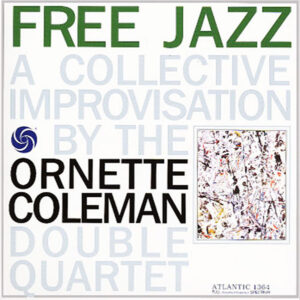
Ornette Coleman was born on March 9, 1930, in Fort Worth, Texas. He was a saxophonist and composer who changed Jazz with his inventive ideas about harmony, melody, and improvisation. His album Free Jazz (1960) is viewed as one of the most important albums in this style, showing his idea for a kind of Jazz with no fixed rules or forms.
Free Jazz is a landmark in jazz history. It features a double quartet—two groups playing at once—to produce a thick, layered sound. The album highlights group improvisation, where all eight musicians play freely without a planned melody or chord pattern. This was a bold idea when it came out, and Free Jazz became a model for the style, inspiring many musicians who wanted to escape the typical rules of Jazz. Coleman’s raw, powerful sound on the alto saxophone and his unusual phrasing became symbols of free Jazz, placing him among the most forward-thinking figures in Jazz.
Coleman’s part in shaping free Jazz—and Jazz overall—cannot be overstated. His music challenged how people viewed Jazz, earning him both praise and controversy as he rose to become one of the most influential figures in the genre.

Albert Ayler was born on July 13, 1936, in Cleveland, Ohio, and was a daring saxophonist who helped define free Jazz. His music was marked by a bold, spiritual style and a readiness to break all musical boundaries. He used the wild nature of free Jazz but also included parts of gospel, blues, and African-American folk music. Ayler’s passionate performances and experimental improvisations captured the heart of the free jazz movement.
His album Love Cry (1968) stands out as one of his finest works. It brims with raw energy, and Ayler’s intense saxophone shows his gift for conveying strong feelings in every note. Songs like “Love Cry” and “I Believe” feature his fearless approach, using sharp intervals, wide pitch ranges, and unusual playing methods. He also included extended techniques, like blowing many notes at once, to create music that was both rough-edged and deeply spiritual.
Ayler’s art defied normal jazz standards, making him a key figure in free Jazz. Though critics were split in their opinions of him, his influence grew over time, and today, he is seen as one of the most imaginative musicians in the genre.

Cecil Taylor was born on March 25, 1929, in New York City. He was a pianist and composer who played a major part in developing free Jazz. Taylor approached the piano with a forceful, almost drum-like style, often filling the entire keyboard with clusters of notes. His music was complex, abstract, and charged with intense emotion. Taylor believed in an “unstructured” way of playing, where typical ideas about melody and harmony were set aside to allow for total improvisation.
Cecil Taylor had a huge effect on free Jazz and Jazz in general. He changed what people believed a jazz pianist could do, and his far-reaching ideas about improvisation stretched Jazz to new limits. His legacy still shapes avant-garde Jazz and experimental music today.
Free Jazz was a bold break from earlier jazz methods, stressing total freedom and improvisation. Musicians like Ornette Coleman, Albert Ayler, and Cecil Taylor helped bring this style to life, shaping it into music that was often unpredictable, emotional, and highly original. By questioning the limits of Jazz, they opened the door to new artistic paths. Free Jazz continues to influence musicians, urging them to test the boundaries of both sound and performance.
Avant-Garde Jazz
Avant-garde jazz is a music style that began in the 1960s and took jazz to new extremes, going beyond what free jazz had already done. It stands out because it tries out fresh sounds, structures, and forms that don’t stick to the usual rules. This style uses free improvisation, clashing notes (dissonance), and unusual instruments, making it more experimental. Unlike older jazz, which used set chord progressions or steady rhythms, avant-garde jazz leans more on spur-of-the-moment creativity and finding new sounds. It often challenges listeners with unexpected harmonies and rhythms, setting it apart from the more melodic, harmonious jazz that came before.
Avant-garde jazz musicians aimed to free themselves from set ideas of melody and rhythm, devoting their attention to raw expression, unique textures, and atmospheric effects, often stepping far outside traditional boundaries. During the 1960s, the genre rose to prominence thanks to the groundbreaking work of artists such as Sun Ra, Eric Dolphy, and Charles Mingus, whose daring experimentation reshaped jazz and influenced the direction of future musical movements around the world.

Eric Dolphy, who was born on June 20, 1928, in Los Angeles, California, stood out as one of the most important voices in avant-garde jazz. Celebrated for his incredible skill in alto saxophone, bass clarinet, and flute, Dolphy challenged the limits of jazz through his experimental approach to improvisation and composition. People often called his sound eerie and truly otherworldly, and his talent for building intricate, unexpected harmonies placed him among the leading pioneers of avant-garde jazz.
Dolphy’s 1964 album Out to Lunch is widely seen as one of his best works and a key piece in the avant-garde jazz movement. On this record, Dolphy’s forward-thinking style appears beside a gifted ensemble, including trumpeter Freddie Hubbard and bassist Tony Williams, who also bring imaginative flair. Out to Lunch is marked by dissonant melodies, shifting rhythms, and abstract improvisations, showing Dolphy’s resolve to expand jazz’s boundaries. Songs like “Hat and Beard” and “Gazzelloni” highlight his knack for crafting detailed sonic scenes that defy old-fashioned jazz structures.
Dolphy’s impact on avant-garde jazz is truly vast. His collaborations with jazz legends like John Coltrane and Charles Mingus helped connect bebop to the wilder sounds of the 1960s. He pushed melody and harmony to their extremes yet always kept a strong emotional core, which made him a crucial force in the avant-garde scene and cemented his place as one of its most significant figures for modern jazz history.

Sun Ra, born Herman Poole Blount on May 22, 1914, in Birmingham, Alabama, was a composer, bandleader, and keyboardist who became a central figure in avant-garde jazz. Fascinated by space, science fiction, and ancient Egyptian ideas, Ra created music that went far beyond traditional jazz. His work often included unusual compositions, bold arrangements, and a blend of jazz, electronic sounds, and experimental improvisation.
Sun Ra’s influence on avant-garde jazz was groundbreaking. By crafting a cosmic sound that joined jazz with ideas about space and futuristic themes, he became one of the genre’s most visionary figures. His role as a daring composer and bandleader continues to inspire artists across many styles of music.

Charles Mingus, born April 22, 1922, in Nogales, Arizona, was a bassist, composer, and bandleader whose work played a major role in shaping avant-garde jazz. His music often carried great emotional power and featured bold writing, mixing parts of bebop, blues, gospel, and classical forms with free improvisation. Mingus was unafraid to push musical limits, creating pieces that balanced respect for the jazz tradition with a drive to venture into new territory.
Mingus’s album The Black Saint and The Sinner Lady (1963) is one of his most respected achievements and a high point in avant-garde jazz. It features complicated harmonies, shifting time patterns, and sweeping orchestrations. This album masterfully merges jazz improvisation with the structure of classical music, producing lush arrangements and dramatic, highly emotional sections. Songs like “The Black Saint and the Sinner Lady” and “Track A – Requiem for Jazz” show Mingus’s gift for uniting jazz, blues, and classical ideas in a way that was both innovative and filled with feeling.
Mingus’s impact on avant-garde jazz was immense. His brave combinations of different musical traditions and his willingness to challenge traditional norms helped steer the course of avant-garde jazz. By blending various influences and insisting on constant exploration, he earned his spot as one of the most significant figures in the genre.
Avant-garde jazz moved beyond the classic structures of earlier jazz, embracing experimental methods, dissonant sounds, and unusual instruments. Musicians like Eric Dolphy, Sun Ra, and Charles Mingus played crucial parts in shaping avant-garde jazz, giving the style a fresh, daring direction. Their eagerness to push musical limits and discover new possibilities helped redefine jazz and opened the door to future innovations in the field.
Soul Jazz
Soul Jazz is a branch of jazz that grew in the late 1950s and 1960s by blending parts of gospel, blues, R&B, and jazz. It’s known for its strong, repeated grooves, memorable tunes, and a focus on rhythm. It came about when jazz players wanted to bring the sound and energy of R&B and gospel music into jazz improvisation. This style often has a lively, swinging rhythm section centered on the groove, and it keeps the idea of improvisation while staying linked to African-American musical traditions.
Soul jazz has church roots, thanks to its deep ties to gospel music, but it also includes the more worldly side of African-American culture, like soul and R&B. Some of its most recognizable traits are its catchy, blues-heavy melodies, call-and-response setups, and the use of electric instruments—like organ, guitar, and drums—right in the jazz group.

Julian “Cannonball” Adderley, born on September 15, 1928, in Tampa, Florida, was an alto saxophone player whose soul jazz work became a cornerstone of the style. Recognized for his warm, solid tone and engaging playing, Adderley combined the feeling of the blues with the thoughtful side of jazz. While he was first seen as a key member of hard bop, he also helped shape soul jazz by mixing R&B’s rhythmic energy with jazz’s refined improvisations.
Adderley’s mark on jazz is huge. His gift for blending jazz with the soul of R&B and gospel brought soul-jazz to more people and helped it become a lasting and influential subgenre.
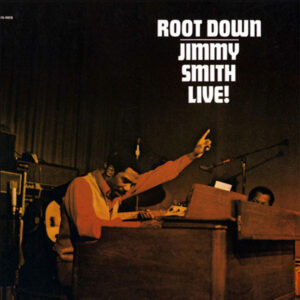
Jimmy Smith, born on December 8, 1925, in Norristown, Pennsylvania, was an organist who played a major role in forming soul jazz. His use of the Hammond B3 organ became a trademark of this style, giving the music a full, deep quality that gave jazz a new feel. Smith’s lively and soulful approach brought a bluesy, funky taste to jazz, earning him a spot as one of the genre’s most important figures.
Root Down Jimmy Smith Live! (1972) showcases Smith’s command of the Hammond B3 organ in a live setting. The record merges soul, jazz, and funk, featuring long improvisations and grooving beats. The track “Root Down” shows Smith’s skill in building a rhythmic, soulful mood while still focusing on solo improvisation. The rhythm section’s tight groove and the organ’s rich, driving sound create a musical setting that pulls in both the audience and the band.
Smith’s mixture of jazz with gospel and blues shaped soul jazz and made it easier for mainstream listeners to connect with. His lasting impact on the genre remains strong, and he is still thought of as a key figure in jazz history.
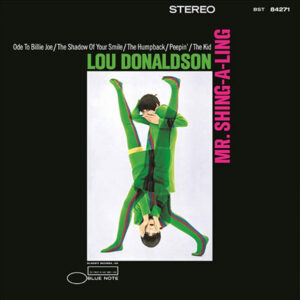
Lou Donaldson, born on November 1, 1926, in Badin, North Carolina, was an alto saxophonist noted for his soulful, bluesy playing. His style combines jazz harmonies and free-flowing solos with R&B’s driving beat and call-and-response patterns. Through his work in soul jazz, especially his use of blues scales and spirited phrasing, Donaldson helped shape the genre in the 1960s.
His album Mr. Shing-A-Ling (1967) stands out as a key example of his place in soul jazz. The title track offers a funky, groove-based sound that shows Donaldson’s knack for blending classic jazz improvisations with the catchy energy of the soul and R&B. With Big John Patton on organ and Leo Morris on drums, the rhythm section creates a strong beat that matches Donaldson’s soulful sax lines. The mix of soloing, blues touches, and a steady groove makes this album a top pick in the soul-jazz scene.
Donaldson’s way of combining jazz with soul and blues helped secure his status as the main voice in soul jazz. His emotional style on alto sax still sparks ideas for jazz players today.
Post-Bop
Post-bop is a style of jazz that came about after the bebop and hard-bop eras, starting in the mid-1960s. It blends parts of bebop and modal jazz with new ideas from free jazz, classical music, and world music. This style is known for its challenging harmonies, refined improvisation, and a desire to explore new sound textures. While it keeps the fast tempos and improvisational spirit of bebop, post-bop musicians added more experimental and daring methods to the music.
The genre often has more complicated tunes and unpredictable rhythms and sometimes uses different scales or modes. Musicians in the post-bop era took advantage of the freedom found in modal jazz and free jazz, yet they kept a sense of melody and order. Some of the most famous names in post-bop are Lee Morgan, McCoy Tyner, and Anthony Williams.

Lee Morgan, born on July 10, 1938, in Philadelphia, Pennsylvania, was a trumpet star who played a huge role in post-bop. He stood out because of his fiery playing style, strong tone, and his gift for mixing technical skill with real feeling. Search For The New Land (1966) is one of his best-known albums. It shows what post-bop is all about, with its complex harmonies and bold rhythms.
Morgan’s skill at crossing the lines between bebop, modal jazz, and post-bop helped define the genre. His work continues to be important in jazz and serves as an example of how to merge technical brilliance with emotional depth.
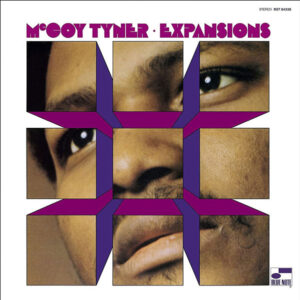
McCoy Tyner, born on December 11, 1938, in Philadelphia, Pennsylvania, was a groundbreaking jazz pianist best known for his powerful chord voicings and his role in John Coltrane’s quartet. His approach to harmony and rhythm helped shape post-bop, and his solo work further explored the possibilities of this style. Tyner’s piano playing is marked by strong, stacked chords, modal patterns, and a sense of spiritual depth that sets him apart from many of his peers.
His 1968 album Expansions stands as a prime example of his post-bop vision. On this record, Tyner assembled a group of top musicians, including saxophonist Wayne Shorter and bassist Ron Carter, to create a sound that stretched beyond typical jazz forms. The compositions on Expansions feature daring chord structures, shifting time signatures, and extended solos that allow each musician to explore freely while still holding onto the melodic thread. Tracks like “Vision” and “Peresina” highlight Tyner’s knack for blending modal jazz roots with bold, intricate ideas.
Tyner’s influence on post-bop is immense. He showed how to balance the driving energy of bebop with the openness of modal jazz, inspiring pianists across generations to push the boundaries of harmony, rhythm, and improvisation. His work remains a cornerstone of modern jazz piano.

Anthony Williams, born on December 12, 1945, in Chicago, Illinois, was a groundbreaking drummer who left a lasting impact on post-bop. As part of Miles Davis’s Second Great Quintet, he brought a whole new perspective to modern jazz drumming. Williams was known for his intricate use of polyrhythms, complex time signatures, and bold shifts in volume. By challenging the boundaries of rhythm, he created adventurous, unpredictable beats that injected fresh energy into the jazz world.
Williams’s album Life Time (1964) is a key example of his role in post-bop. It features a quintet of top-tier musicians like Wayne Shorter and Herbie Hancock, and it shines a light on Williams’s original drumming style. The group tackles free-form pieces that test new ideas in rhythm and melody, making the album both daring and forward-looking. Tracks such as “Two Thoughts” and “Life Time” show how Williams’s strong, flexible drumming, along with the other players’ bold solos, helped shape the sound of post-bop.
Williams’s impact on post-bop drumming has been long-lasting, and his approach still inspires jazz percussionists today. His work remains a prime example of how jazz can mix structure with freedom to create something both advanced and exciting.
Spiritual Jazz
Spiritual jazz began in the 1960s and is known for its deep, thoughtful sound that combines both the spiritual and emotional sides of music. It mixes parts of jazz, gospel, blues, and modal jazz with a focus on creating a calm, uplifting feeling. Spiritual jazz usually has slow, reflective rhythms, free-flowing improvisation, and modal scales. Many songs in this style include religious or philosophical ideas, connecting to the social changes of the era—like the Civil Rights Movement—and the growing focus on spiritual life in African-American communities.
Key figures in spiritual jazz, such as Alice Coltrane, Pharoah Sanders, and Yusef Lateef, dove into ideas of spirituality and inner peace, using jazz as a way to reach higher truths and seek enlightenment. Spiritual jazz often features long solos, chanting, and modal harmonies, all of which encourage deep thinking and reflection.

Alice Coltrane was born on August 27, 1937, in Detroit, Michigan, and became a major force in spiritual jazz. She was a pioneering harpist, composer, and spiritual guide who blended jazz with Indian classical music, African rhythms, and sacred themes. Guided by her spiritual journey and her study of Hinduism, she brought a dreamy, reflective style to her work.
Her 1971 album The Carnegie Hall Concert is a strong example of spiritual jazz. It shows off her free-flowing harp playing and her unique way of mixing jazz with spiritual ideas. Songs like “Journey in Satchidananda” and “Turiya and Ramakrishna” have a mystical feel, weaving jazz together with Indian ragas and African beats. Because of her deep spiritual roots and her skill at putting those ideas into her music, Alice Coltrane stands out as one of the most important voices in spiritual jazz. Her influence still resonates with musicians who want to explore how music and spirituality connect.

Pharoah Sanders, born on October 13, 1940, in Little Rock, Arkansas, was a major saxophonist in the spiritual jazz scene. He was known for his rich, heartfelt tone and his creative playing style, which looked into the mystical side of jazz. Sanders was also linked to the free jazz and avant-garde movements, where he combined experimental ideas with themes of spirituality and social awareness.

Yusef Lateef, born on October 9, 1920, in Chattanooga, Tennessee, was a multi-instrumentalist who made a name for himself in spiritual jazz by mixing jazz with influences from around the world. His deep spiritual beliefs shaped his music, and he hoped to write songs that reflected his path toward self-discovery. Lateef used unusual instruments and modal harmonies, helping to build the foundation of spiritual jazz.
His 1965 album Psychicemotus shows how he approached spiritual jazz. On this record, Lateef blends his distinct flute and tenor saxophone sounds with instruments like the oboe and the shofar. Songs such as “Psychicemotus” and “The Golden Flute” highlight his talent for creating wide-open, spiritual music that makes listeners pause and reflect. By using modal scales, Eastern influences, and free improvisation, Lateef shaped a style that felt both uplifting and firmly rooted in jazz.
Spiritual jazz brings together the personal, searching parts of jazz with the desire to understand deeper truths and spiritual ideas. Artists like Alice Coltrane, Pharoah Sanders, and Yusef Lateef helped form this style by using music to explore life’s mystical, emotional, and spiritual sides. Their contributions remain central to jazz history and continue to guide musicians who want to unite hearts and minds through music.
Jazz Fusion
Jazz Fusion took shape in the late 1960s and early 1970s, mixing parts of jazz with rock, funk, R&B, and other styles to form a bold, experimental sound. It stood out for its use of electric instruments, complex rhythms, and a strong focus on improvisation. Jazz fusion blurred the lines between jazz and popular music, bringing a new crowd of listeners into the fold. By combining jazz’s rich harmonies with the steady grooves of rock and funk, it introduced a fresh, high-energy style that appealed to a bigger audience.
Musicians in jazz fusion often drew on electronic elements, using synthesizers and electric bass to create new sonic textures. The genre’s signature trait was its rhythmic and harmonic innovation, including unusual time signatures and long, exploratory solos. Artists like Miles Davis, Chick Corea, and Jaco Pastorius led this shift, reimagining how jazz could sound and steering it toward new creative directions.

Jaco Pastorius, born on December 1, 1951, in Norristown, Pennsylvania, was an electric bass player who reshaped the bass’s role in jazz. He was recognized for his remarkable technical skill, melodic sense, and his knack for blending jazz with rock and funk. As a key member of Weather Report, he spearheaded the use of electric bass as a lead instrument in jazz.
His 1982 album, Truth, Liberty & Soul, shows off his extraordinary talent and forward-thinking attitude in jazz fusion. The record offers his signature virtuosic bass lines, paired with strong improvisation and intricate writing. Songs like “The Chicken” and “Liberty City” feature how he combined challenging jazz harmonies with the catchy beats of funk and rock. His use of harmonics, slap bass, and smooth soloing made him one of the most admired bassists in jazz history.
Pastorius’s impact on the electric bass is unmatched, and his work in jazz fusion helped connect the worlds of jazz, funk, and rock. His creative approach to bass and his role in fusion continues to shape the genre today.

Chick Corea, born on June 12, 1941, in Chelsea, Massachusetts, was a brilliant pianist and composer who stood among the most influential figures in jazz fusion. He broke new ground by bringing electronic instruments and synthesizers into jazz, guiding the fusion sound of the 1970s and 1980s. His work with the Chick Corea Elektric Band became one of the defining forces of the style.
Their 1985 album, The Future, captures the band’s high-energy playing and detailed compositions. It merges jazz improvisation with electronic sounds, creating a lively, experimental feel that summed up the fusion movement. Songs like “Got a Match?” and “The Chaser” highlight Corea’s ability to mix jazz with elements of funk and rock, resulting in music that is both advanced and easy to enjoy.
Corea’s influence on jazz fusion is massive. His daring use of electronic instruments opened the door for future developments in the field. By blending jazz’s complex harmonies with the beats of rock and funk, he became one of the true leaders of the genre.

Weather Report was founded in 1970 by keyboardist Joe Zawinul and saxophonist Wayne Shorter. They became one of the most important bands in jazz fusion, known for their daring style and their blend of jazz, funk, rock, and electronic elements. Their work helped shape the course of fusion music during the 1970s and beyond.
The 1972 album Live In Tokyo captures the band’s energetic, experimental performances, featuring a mix of jazz improvisation and electronic rhythms. This recording presents detailed arrangements, powerful solos, and the group’s trademark use of synthesizers and electric instruments. Songs like “Medley: Weather Report/Orange Lady” and “Black Market” showcase their talent for uniting jazz’s freedom with funk’s driving grooves and rock’s electric punch.
Weather Report’s impact on jazz fusion led to a reimagining of the genre, pushing jazz in new directions and attracting more fans. Their music remains a key reference point in fusion, inspiring musicians across different styles.
Jazz Funk
Jazz Funk is a style that mixes the driving rhythms of funk with the improvisational elements of jazz. It started in the 1970s and is known for its strong, syncopated beats, tight grooves, and the use of electric instruments like electric bass, synthesizers, and electric guitars. Jazz Funk brings together the harmonic depth of jazz and the danceable feel of funk, putting a spotlight on both solo improvisation and precise rhythms. The music aims for a bold, high-energy sound that draws on the best of both genres.
In Jazz Funk, musicians often take funk’s catchy bass lines and punchy rhythms and blend them with the freedom and harmonic ideas of jazz. This style became very popular in the 1970s, and artists like Herbie Hancock, Lonnie Smith, and Grover Washington Jr. led the way.
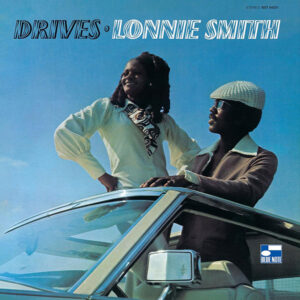
Lonnie Smith, who was born on July 3, 1942, in Lackawanna, New York, became a master of the Hammond B3 organ and a key figure in Jazz Funk. His organ style mixed soulful, bluesy melodies with a steady pulse of funk. During the 1960s and 1970s, he worked both as a bandleader and a sideman, helping to shape what Jazz Funk sounded like.
His album Drives (1970) is a perfect example of his place in Jazz Funk. The recording shows off tight, groove-filled rhythms alongside Smith’s rich, soulful organ lines and a strong rhythm section. Songs such as “The Funky Joint” and “Don’t Stop the Carnival” demonstrate his knack for mixing jazz improvisation with solid funk beats. His command of the Hammond B3 and his talent for building a deep, funky groove made him one of the most important players in this style of music.
Smith’s work in Jazz Funk helped the genre become a major force in the 1970s, and he still inspires musicians today.
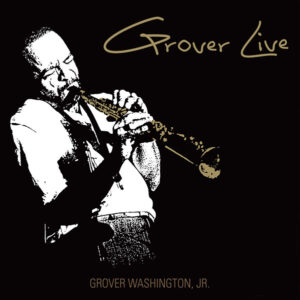
Grover Washington Jr., born on December 12, 1943, in Buffalo, New York, was a saxophonist who helped shape Jazz Funk. His smooth, soulful tone mixed jazz, funk, and R&B, resulting in music that managed to be both stylish and easy to enjoy. Because of his hits in Jazz Funk and later in smooth jazz, he became one of the most popular and influential jazz figures of the 1970s and 1980s.
Grover Live (1977) captures Washington’s soulful sax approach in a live setting. It mixes funk rhythms with laid-back jazz melodies, letting Washington’s warm, expressive saxophone shine. Tracks like “Mister Magic” and “Black Frost” show off his ability to build strong grooves while still keeping the sense of freedom found in jazz. The tight support from the rhythm section, plus Washington’s soulful style, make this album a highlight of the Jazz Funk era.
Washington’s role in both Jazz Funk and smooth jazz made him a central figure in the music world, and his expressive sax sound still influences jazz artists today.
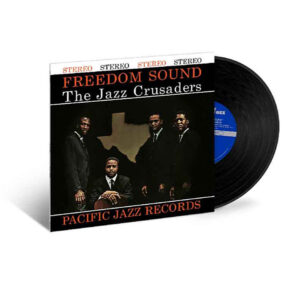
The Jazz Crusaders were a group of jazz musicians who helped create Jazz Funk in the late 1960s and early 1970s. They stood out for their talent at merging jazz improvisation with funky grooves, thus shaping the sound of the genre. By joining jazz’s complex harmonies with funk’s lively rhythms, they made music that was both skillful and great for dancing.
Freedom Sound (1961) shows the Jazz Crusaders at their best, featuring songs like “Freedom Sound” and “Big Noise from Winnetka” that display how they combined hard-hitting, funky beats with layered jazz solos. Their lineup of trumpet, saxophone, piano, and a strong rhythm section created a rich, high-energy style that sums up what Jazz Funk is all about.
Their blend of jazz and funk cemented Jazz Funk as a powerful force in the 1960s and 1970s. Today, their work still stands out in the history of the genre.
Smooth Jazz
Smooth jazz is a style of music that first appeared in the late 1970s and 1980s, mixing jazz with pop, R&B, and easy listening. It is recognized for having a calm, polished feel, with a stronger focus on melody and easy listening rather than complicated improvisation. Smooth jazz often has gentle beats, soft rhythms, and smooth, tuneful lines, usually played on instruments like the saxophone, guitar, or keyboard. It became very popular during the 1980s and 1990s, with artists such as Kenny G, George Benson, and Bob James becoming major figures in this style.
Even though it keeps some of jazz’s traditional elements, smooth jazz aims more for a relaxed, pleasant listening experience rather than pushing jazz in challenging new directions. Its mellow, radio-friendly sound made it successful in mainstream music and introduced jazz to a wider audience.

Herb Alpert, born March 31, 1935, in Los Angeles, California, is a trumpet player, composer, and bandleader who became one of smooth jazz’s most successful artists. His music blends jazz, pop, and Latin influences, creating a unique style that helped shape smooth jazz.
Rise (1979) is one of Alpert’s most famous albums, and its title track became a defining song for smooth jazz. The album brings together smooth jazz with funk and pop, resulting in a sound that feels relaxed yet still full of energy. Alpert’s trumpet playing is warm and melodic, while the backing band lays down an easygoing groove.
His role in smooth jazz helped develop the style’s sound and introduced jazz to a broader group of listeners. By mixing jazz with pop and Latin flavors, he earned a lasting spot as one of the most influential names in smooth jazz.

George Benson, born March 22, 1943, in Pittsburgh, Pennsylvania, is a guitarist, vocalist, and composer whose fluid, melodious style propelled him to fame in the smooth jazz world. Benson’s music blends jazz, R&B, and pop, resulting in tunes that are polished yet accessible. His impressive guitar skills, paired with his soul-infused vocals, catapulted him into becoming one of the genre’s most prominent figures.
Benson’s influence helped define smooth jazz, and his music continues to shape the work of jazz performers today.

Bob James is a keyboardist and composer, born on December 25, 1939, in Marshall, Missouri, who played a major role in shaping smooth jazz and jazz fusion. He brought together jazz, pop, R&B, and classical influences to create a polished, melodic style that became a defining element of smooth jazz.
James’s work in smooth jazz has made him one of the genre’s most important artists. His gift for blending jazz with pop and R&B brought the smooth jazz style to a much larger audience.
Bossa Nova
Bossa Nova began in Brazil in the late 1950s and mixes the rhythms of samba with the harmonies and improvisation of jazz. The term “Bossa Nova” means “new trend,” showing how fresh and exciting this style was. It stood out because of its smooth, relaxed beats, gentle melodies, and often intimate singing. Bossa Nova took the complex elements of jazz and merged them with the light, syncopated rhythms of samba, creating a sound that felt both classy and easy to enjoy. At first, it was mostly a cultural movement in Brazil, but it soon spread worldwide, especially after it combined more clearly with jazz techniques.
In the early 1960s, Bossa Nova reached its highest point, gaining popularity in both Brazil and the United States. Its charm came from the way it balanced simple, laid-back vibes with deeper, more detailed musical structures. Artists like João Gilberto, Antonio Carlos Jobim, and Stan Getz became strongly connected to the style, writing classic songs that are still popular in both jazz and mainstream music today.
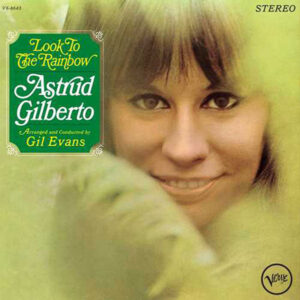
Astrud Gilberto, who was born on March 29, 1940, in Rio de Janeiro, Brazil, rose to fame as one of the most recognizable voices in Bossa Nova. Her soft, intimate way of singing fits the style perfectly, and she first became famous in 1964 with the album Getz/Gilberto, recorded with the well-known saxophonist Stan Getz. One of the songs, “The Girl from Ipanema,” became a huge hit, and Gilberto’s gentle singing and calm phrasing became linked to the Bossa Nova sound.
Gilberto’s skill at showing subtle changes in her voice, along with her deep understanding of the Bossa Nova rhythm, made her a beloved figure in both jazz and Bossa Nova. She helped bring Bossa Nova to people all around the world, and she remains one of the genre’s most admired singers.

Antonio Carlos Jobim, born on January 25, 1927, in Rio de Janeiro, is often seen as the father of Bossa Nova and one of the most important composers to come out of Brazil. He was known for mixing Brazilian rhythms with advanced jazz harmonies, which changed the music world in a major way. He wrote many of Bossa Nova’s most famous pieces, including “The Girl from Ipanema,” “Desafinado,” and “Wave.” His tunes often featured lush chord progressions, soft rhythms, and melodies that painted pictures of Brazil’s beautiful landscapes and culture.
Jobim’s mastery of writing music, paired with De Moraes’s gift for poetic storytelling, led to a musical legacy that still guides artists today. Their teamwork pushed Bossa Nova beyond its regional roots, turning it into a worldwide phenomenon, and their impact continues to echo in modern jazz, Brazilian music, and pop.

Stan Getz, born on February 2, 1927, in Philadelphia, Pennsylvania, was a leading jazz saxophonist who also played a big part in making Bossa Nova popular. Even though he was already well-known as a jazz musician, his partnership with Brazilian guitarist Charlie Byrd in the early 1960s brought him into the world of Bossa Nova. Their album Jazz Samba (1962) introduced this Brazilian style to many listeners in the United States and became a major milestone for the fusion of jazz and Bossa Nova.
By mixing jazz ideas with the sounds of Brazil, Getz played a key role in giving Bossa Nova a global stage. His work proved how the style’s slow, syncopated rhythms could pair well with the creative freedom found in jazz.
Bossa Nova’s special mix of Brazilian beats and jazz harmonies produced a sound that felt refined yet easy for many people to love. Figures like Astrud Gilberto, Antonio Carlos Jobim, and Stan Getz were vital in bringing Bossa Nova to the world’s attention, and their music still inspires new generations of performers. Bossa Nova’s timeless appeal comes from its calm, graceful melodies and its power to create a serene mood that continues to fascinate listeners everywhere.
Vocal Jazz
Vocal jazz is a dynamic and expressive form of jazz that places the human voice at the forefront, using it as both a melodic and improvisational instrument. Rooted in the early days of jazz, vocalists brought warmth, storytelling, and emotion to the genre, turning instrumental pieces into lyrical masterpieces. Unlike traditional pop or classical singing, vocal jazz is defined by its freedom, phrasing, and rhythmic flexibility, often incorporating scat singing, blue notes, and vocal improvisation to mirror the spontaneous nature of jazz instrumentation.
Pioneers like Billie Holiday, Ella Fitzgerald, and Louis Armstrong shaped vocal jazz by using their voices not just to sing lyrics but to interpret melodies in a deeply personal way. Fitzgerald, known as the “First Lady of Song,” mastered scat singing, turning her voice into an instrument, while Holiday’s emotionally rich phrasing added a deep sense of intimacy and storytelling to her songs. Frank Sinatra and Nat King Cole brought jazz-influenced vocal styles to a broader audience, blending smooth phrasing with swing rhythms, while artists like Sarah Vaughan and Carmen McRae expanded the genre’s harmonic and expressive boundaries.
Today, vocal jazz continues to evolve, with contemporary artists like Diana Krall, Gregory Porter, Patricia Barber, and Esperanza Spalding blending classic jazz traditions with modern influences, ensuring the style remains both timeless and innovative. Whether performed in intimate jazz clubs, on grand stages, or through recordings that span generations, vocal jazz remains one of the most captivating forms of musical storytelling, where every note carries emotion, and every lyric swings with soul. 🎶🎤

Norah Jones, born on March 30, 1979, in Brooklyn, New York, is a singer-songwriter known for her mellow, jazz-tinged style, which secured her a prominent place in modern vocal jazz. Her debut album, Come Away With Me (2002), combines jazz, pop, and country influences to create a soft, intimate feel that made her one of the most successful vocal jazz performers of her generation. The single “Don’t Know Why” showcases her skill in weaving jazz rhythms with catchy pop melodies, resulting in music that is both inviting and deeply moving.
Jones’s gentle yet expressive voice, along with her ability to convey strong emotions, helped her become a major figure in today’s jazz scene. Come Away With Me remains a defining album in vocal jazz, and her impact on the genre continues to resonate.

Nina Simone, born on February 21, 1933, in Tryon, North Carolina, was a singer, pianist, and civil rights activist who mixed jazz, blues, folk, and classical styles. She was known for her powerful, emotionally charged voice and her skill in pairing jazz improvisation with social and political messages, making her one of the most striking and important figures in vocal jazz.
Her 1969 album, Nina’s Back, shows Simone’s distinctive style, with tracks like “My Baby Just Cares for Me” and “I Put a Spell on You,” revealing her talent for blending jazz, deep feeling, and vivid storytelling. Her voice, shifting from smooth to fierce, remains one of the most admired in jazz.
Simone’s work changed what vocal jazz could be, and her art continues to inspire singers and musicians in the genre today.

Patricia Barber is a renowned American jazz singer, pianist, and composer, known for her intellectual approach to jazz, smoky vocal delivery, and genre-blurring compositions. Unlike many traditional jazz vocalists, Barber infuses her music with elements of cool jazz, post-bop, blues, and even art song, making her a distinctive force in contemporary vocal jazz.
Barber’s voice is both intimate and mysterious, with a deep, conversational tone that draws listeners into her world. Her style is marked by sophisticated phrasing, poetic lyricism, and a minimalist yet expressive piano technique, which often leads her music into complex harmonic territory. Unlike the swing-driven stylings of Ella Fitzgerald or the emotionally charged interpretations of Billie Holiday, Barber takes a more cerebral, introspective approach, making her music deeply engaging and thought-provoking.
Modern Cool (1998): A Jazz Masterpiece with an Avant-Garde Edge
One of Barber’s most acclaimed works, Modern Cool (1998), showcases her ability to push the boundaries of vocal jazz while maintaining its essence. The album blends lush arrangements, intricate compositions, and hauntingly cool vocals, setting it apart as a bold and innovative jazz record.
🎶 Key Tracks from Modern Cool:
- “Touch of Trash” – A sultry, noir-jazz piece with sharp, introspective lyrics.
- “Company” – A moody, atmospheric track that highlights Barber’s signature storytelling.
- “Winter” – A reflective ballad with rich harmonic textures.
- “Postmodern Blues” – A clever, modern twist on the blues form.
The album received widespread acclaim for its lush production, complex compositions, and Barber’s cool, detached yet deeply expressive vocals. It earned her a dedicated following in the audiophile and jazz communities, with many considering Modern Cool one of the finest contemporary jazz vocal albums. Recently Modern Cool was repressed by Impex Records on vinyl records 180g 33RPM 2 LP using VR900-D2 vinyl for incredible detail, depth, soundstage, and silent surfaces. The album will be available to purchase in April, 2025.
A Lasting Influence
Patricia Barber stands as a unique voice in vocal jazz, carving a path that defies mainstream conventions while embracing experimentation, lyrical depth, and harmonic complexity. Her music bridges the gap between traditional jazz and contemporary avant-garde styles, making her an essential figure in modern jazz vocal artistry. 🎤🎶